

 Victoria Nino
May 11, 2026

In Victoria's words
"The bond that we have is something totally miraculous - something totally out of this world. Nothing I've ever experienced with anyone... She's truly the child that was meant for me. I had to go through that really hard stuff to become the best version of me that I can be for her."
10 tips for bonding with your baby born via donor eggs
1. Address your fears
If you have fears about bonding with your baby born via donor eggs, you're not alone. It's completely normal for intended parents to have deep-rooted fears or anxious thoughts like, "Will I love my donor egg baby?" I think everyone who considers using donor eggs has this fear in the beginning, I sure did. I talk to men and women every week who share this concern - so many tears are shed at the thought of “what if?” "What if my baby doesn’t love me?" "What if my parents don’t love my baby?" "If I use a donor egg, is the baby mine?" These are all normal feelings, I had them too.
2. Change your perspective
Before getting pregnant, I knew I had to change my perspective if I was going to be able to move forward with donor eggs. I knew I had to look at this situation differently than what I had been taught. If I had to give credit to the biggest thing that helped me do that, I would say it was when my doctor first explained epigenetics to me. She explained that epigenetics (epi “on top of” genetics) can change the way your genes are expressed. Had my daughter’s fetus grown in the donor’s womb, she wouldn’t be the same person. Just like if you plant the same grape tree in a different region of Napa Valley, you’d get very different wine.
Without me, she would not be her.
This allowed me to find a new way to connect with my baby and find my way to my identity as a mother via donor eggs.

My perspective and belief system are much different now than they were when I was first considering donor eggs. All because of my beautiful three-year-old daughter. She has taught me what a mother-child bond is built on - and I can tell you it is not DNA.
If my parents had adopted me or used donor conception to conceive me, I would have learned at a young age that genetics isn’t the primary force of love within a family. I would bet that I wouldn’t have had the same fears I had when I first pursued donor eggs because my core belief system would have been different.
The science behind it
What Victoria's doctor described is epigenetics: the environment of your pregnancy influences how your baby's genes are expressed, even though the DNA comes from the donor. Our guide to epigenetics and donor eggs walks through what the research shows so far.
3. Tell your story to your baby in utero
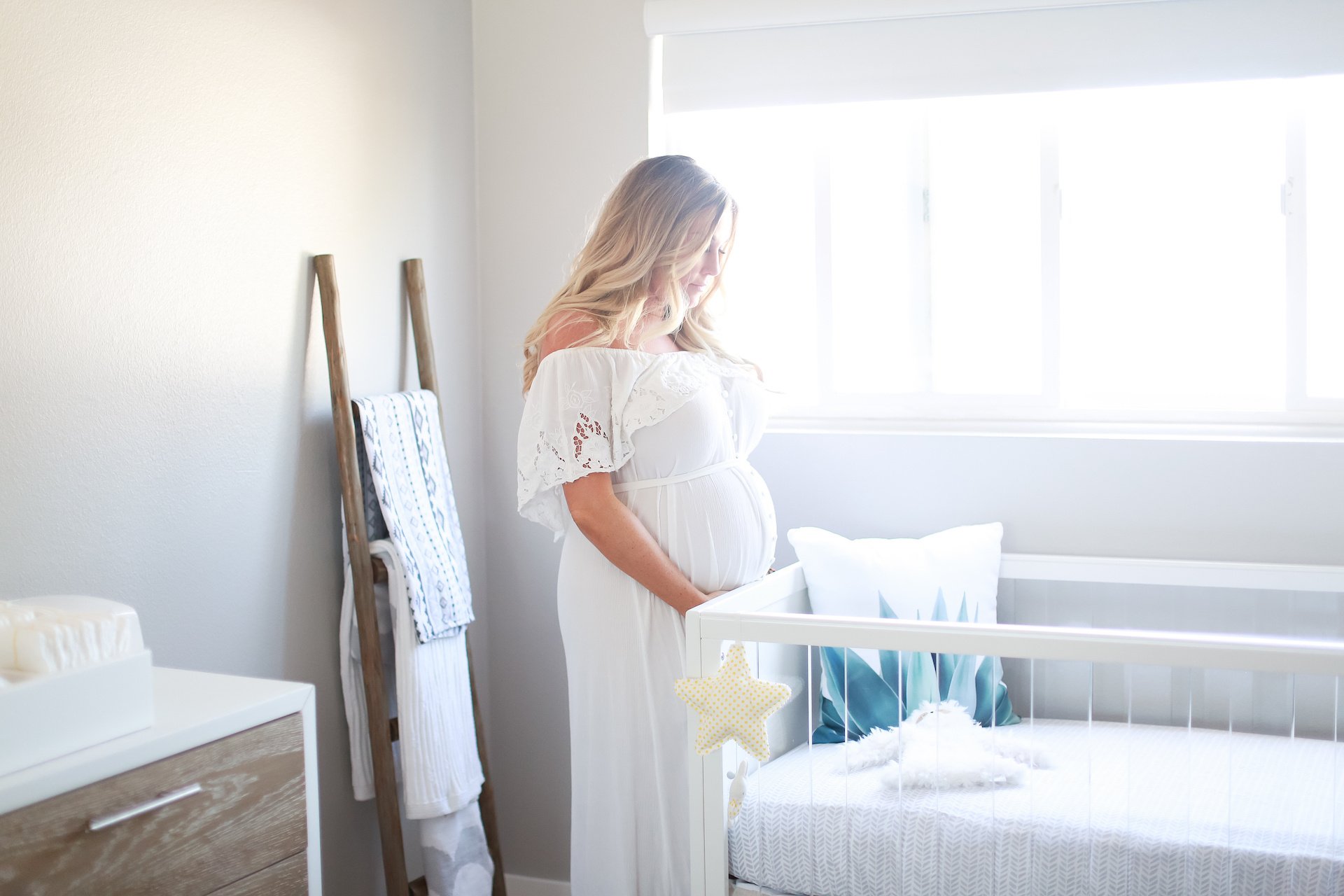
Start talking to your baby in the womb and practicing telling them your story. This gives you time to practice and figure out the words, but also helps your newborn learn to recognize the sound of your voice - mama’s voice or dada's voice.
4. Pheromones bond you
It’s no secret that the smell of your baby can trigger maternal bonding, but the opposite is true as well. The bond between a mother and child is so much more than a loving feeling. Pheromones are exchanged in the womb, through breastfeeding, and through other types of physical contact, creating a lifelong bond between mother and child.

5. Remember that all parents bond with their babies
Remember that it’s okay if you don’t bond with your baby right away, you will bond with them on your timeline, please also remember that parents who share genetics with their babies also have a hard time bonding at first.
6. Cut your baby some slack
Try not to put too much pressure on the fact that the baby is donor-conceived. Babies don’t know how they were conceived, babies are babies! If the baby is crying a lot, or having a hard time nursing, or not bonding with you right away, remember that it has nothing to do with them being donor-conceived.
7. Honesty builds trust and attachment
Continue to be truthful with your child about how they were conceived, and find casual ways to weave it into conversations, just like you would the fact that they have Irish heritage, have 10 toes on their feet, and were born in California. This creates a strong foundation of identity, normalcy, and trust in their parents. Create a safe, nonjudgmental space for your child to ask questions or express raw emotions. Let them know that you will love them no matter what they say or ask.
Planning the conversation
Not sure where to start? Our guides to crafting your child's donor conception story and talking to your child about donor conception cover the words to use and how the story grows as your child does.
8. Involve family in the early stages
Educate family members and friends on how to best support your child. It takes a village, and the more love and empowerment your child has around them, the stronger the sense of belonging they have in the family.
9. Bonding may take time
You will see that genetics or DNA is nowhere in these bullet points. Bonding with your baby can happen in many ways, but the important thing to remember is that it is no different than a mother and child who share genetics.
Later in life, I realized that while the mother/baby bond does happen for some in the womb, for others it takes time. For some, it happens months after they are born. But the important thing to remember is that all babies and mothers do bond with each other, it just might take time. This is the case for genetically related mothers and fathers with their babies too.
10. Bonding and love are inevitable
When that baby finally makes its way to your arms, it will be better than anything you could have dreamt up. You will wonder how you ever questioned mothering via another woman’s DNA. I promise you this...your baby will know exactly who you are and you will be more than enough.

Our bond is like nothing I could have ever imagined. We have a saying we say to each other… “I am You, and You are Me” because that’s honestly the easiest way to explain our attachment to each other. Without her, I am not me, and without me, she is not her. We are different yet the same. You will bond with your baby, and your baby will bond with you; it’s inevitable.
Keep reading
 Infertility grief: 7 tips for coping and embracing donor egg IVF
What infertility grief looks like, how to cope with it, and when counseling helps, with lessons from Victoria.
Read the article → Should I use donor eggs? How to know when it’s time and what to do next
A reproductive endocrinologist on the five questions that decide it and the steps to take next.
Read the article → What I learned from choosing an egg donor three times
A mom of two via egg donation on what she changed by her third match and what she stopped worrying about.
Read her story →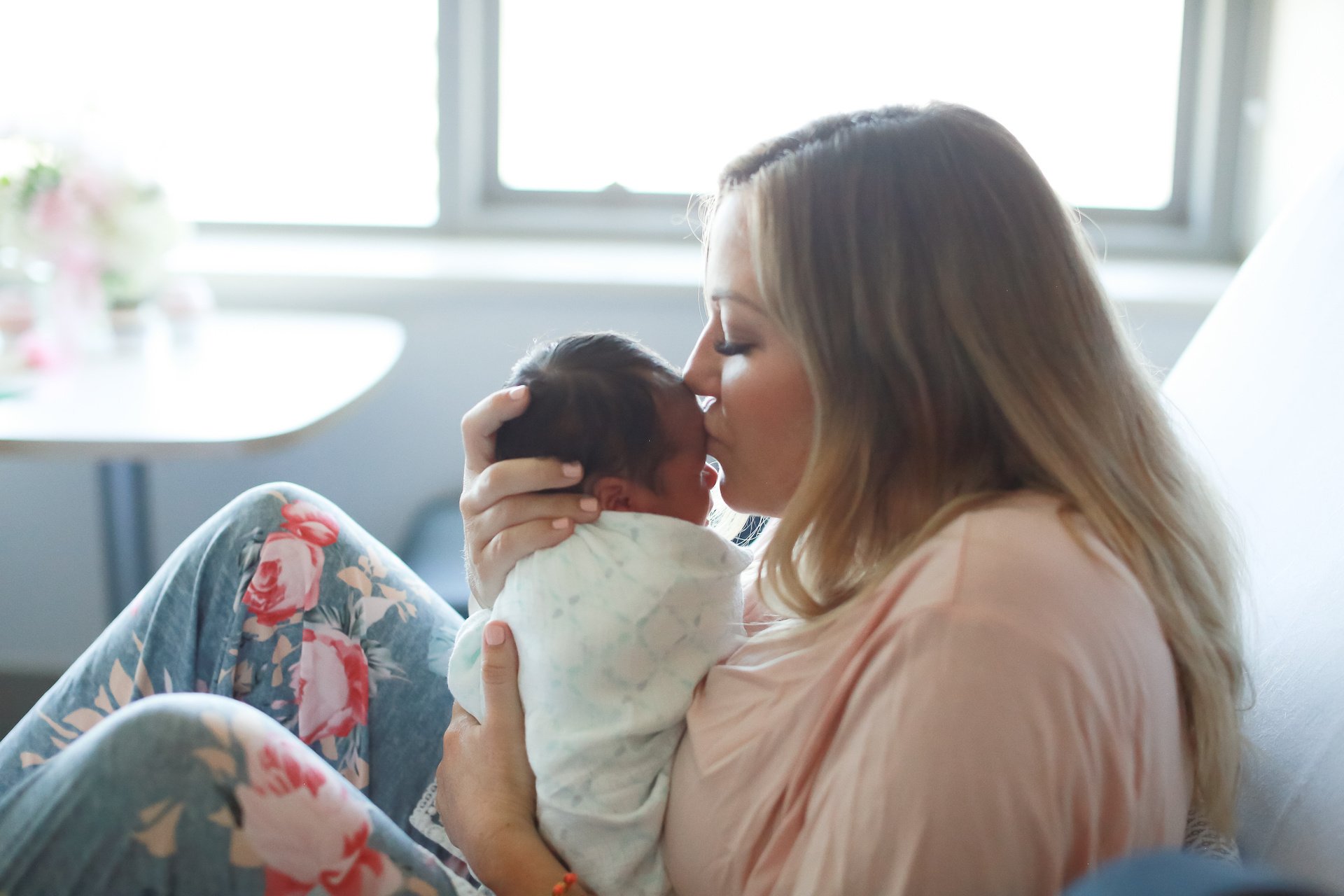 Will my baby look like me if I use donor eggs?
What comes from the donor’s DNA, what your pregnancy shapes, and one mother’s experience.
Read the article → Privacy vs. secrecy in donor conception: what to share and when
Where privacy ends and secrecy begins, and how to find a balance that works for your family.
Read the article → Victoria’s frozen donor egg success story after 10 years of infertility
How Victoria reached her second baby through the frozen egg bank, with an open relationship with her donor.
Read her story →Originally published in 2022.

Victoria Nino
Victoria Nino is the founder of Infertility Unfiltered, an education and support platform for women facing infertility and considering donor conception, and she writes at Expecting Anything. She is the author o…

Ready for the next step?
If you are ready to get started or just need more info, contact us today.