

 Meta Getman
September 8, 2024
Meta Getman
September 8, 2024

Last updated September 2026
Meta Getman is a fertility coach, a patient advocate with RESOLVE: The National Infertility Association, and a mother of twin girls conceived with donor eggs. In this post she describes how she and her husband moved from IUI and IVF with her own eggs to using donor eggs, and the three lessons she wants others at the same crossroads to hear.
If you have just heard the words "donor eggs" from your doctor, her story may feel familiar. You can also read more about deciding whether to use donor eggs, grieving the loss of a genetic connection, and how parents bond with a baby conceived with donor eggs.
The short answer
Meta's three lessons for anyone told they may need donor eggs: take time to process the news, acknowledge and grieve the loss of your genetics, and seek out support.
Her twin girls were conceived with donor eggs after four IUIs and two IVF cycles with her own eggs.
Meta Getman is a fertility coach dedicated to supporting families who are at a crossroads in their fertility journey and trying to decide what their next steps will be. She is also a patient advocate with RESOLVE: The National Infertility Association. Visit her website and download her free PDF guide, My Doctor Said Donor, Now What? - a valuable tool for those considering donor conception and looking for guidance on their next steps.
"Donor eggs brought us our twin girls, who have brought immeasurable joy into our lives."
My journey to motherhood through donor eggs
When I first heard the words "donor eggs" from my fertility specialist, it felt like my hopes and dreams of being a mom had disappeared. I had never considered the possibility of needing donor eggs to have children.
My husband, Michael, and I began our journey to parenthood shortly after we got married. We were in our early 30s at the time and were ready to start our family.
We faced some early challenges, discovering that Michael had male factor infertility. After four failed IUIs (intrauterine insemination) with our gynecologist, our doctor referred us to a Reproductive Endocrinologist (RE). That's where we received the news that would change everything: my anti-Mullerian hormone (AMH) levels were alarmingly low for my age.
AMH is an indicator of ovarian reserve, and in my case, it suggested that my egg supply was running out faster than expected.
Despite this, our doctor remained optimistic and recommended we proceed with IVF. We pushed forward with hope, but after two IVF cycles and no viable embryos left to freeze, our optimism began to fade.
The reality hit hard during a candid conversation with our RE. She explained that while we were retrieving eggs, the quality was too poor to develop into healthy embryos. She suggested donor eggs as a viable option, explaining that continuing with my own eggs could mean enduring several more rounds of IVF with uncertain outcomes. After that conversation, I was devastated. I couldn't see how I would ever become a mom or, even if we did use donor eggs, how the children would ever feel like mine. We left the clinic feeling lost and unsure of our next steps.
"I couldn't see how I would ever become a mom or, even if we did use donor eggs, how the children would ever feel like mine."
Three lessons I learned while facing infertility crossroads
If you find yourself facing these same crossroads, here are three things I learned that might help you navigate this challenging journey:
1. Take time to process
Hearing that donor eggs might be your best chance can feel like a punch to the gut. It's okay to take a step back and allow yourself time to process the news. It's a significant emotional shift, and you don't need to rush into a decision.
2. Acknowledge and grieve the loss of your genetics
The idea of having a child who shares your genetic makeup is a deeply ingrained hope for many. Realizing this may not be possible can bring about a sense of grief and loss. Allow yourself to mourn the genetic connection you envisioned and explore what the new path might look like for you and your family.
3. Seek out support
Navigating donor conception is complex and emotional. Surround yourself with a support network that understands your experience. This might include a therapist specializing in fertility issues, a coach who can guide you through the process, or a community of others who have chosen donor conception. Support can provide the clarity and strength needed to make the best decision for your family. Reading up on the practical side can steady you as well, whether that means comparing fresh versus frozen donor eggs, understanding the difference between nonidentified, identified and open ID donation, or walking through the donor egg IVF process step by step.
Choosing to use donor eggs was not the path I expected, and it was not an easy decision, but it was the best one I've ever made. Donor eggs brought us our twin girls, who have brought immeasurable joy into our lives. It's okay to feel overwhelmed, grieve, and seek support. Your journey is unique, and there's no right or wrong way to move forward. Whatever path you choose, know that you are not alone.
Related reading
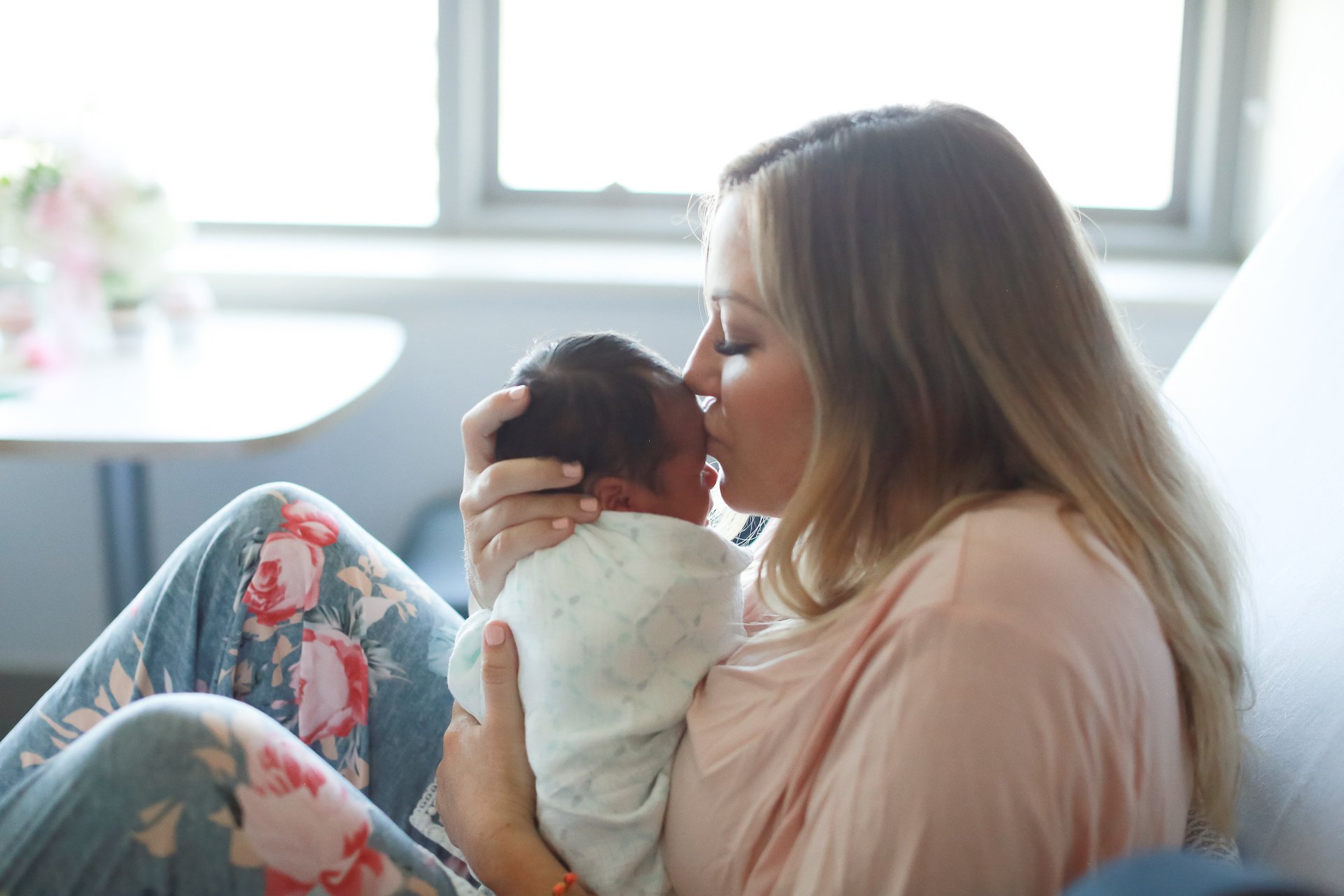
Grieving the Genetic Child I Imagined, Then Meeting the One Meant for Me
How one mother mourned the genetic connection she pictured and found her way to acceptance.
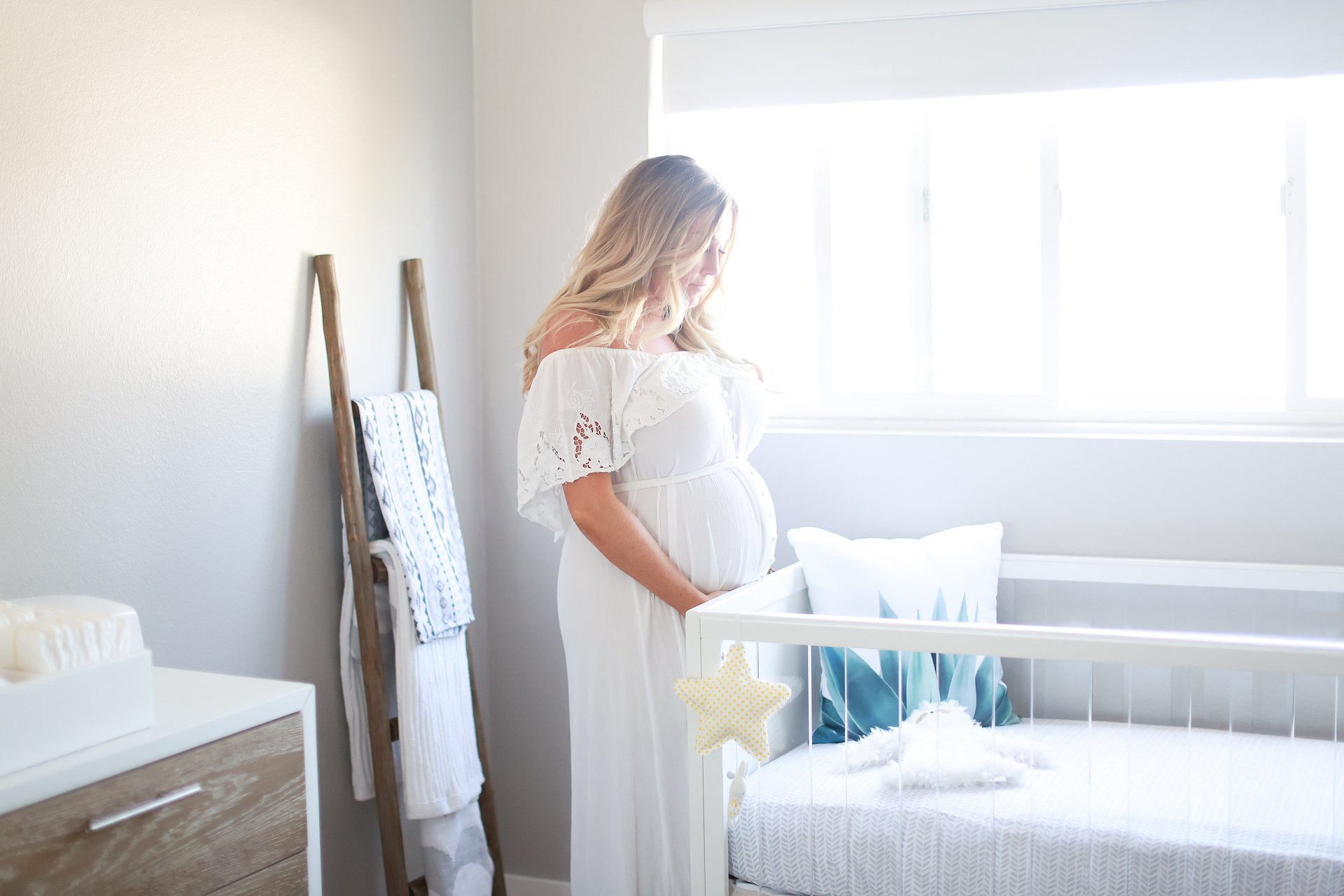
10 Tips for Bonding With a Donor Egg Baby
Practical answers for anyone quietly worried the bond will not be there.
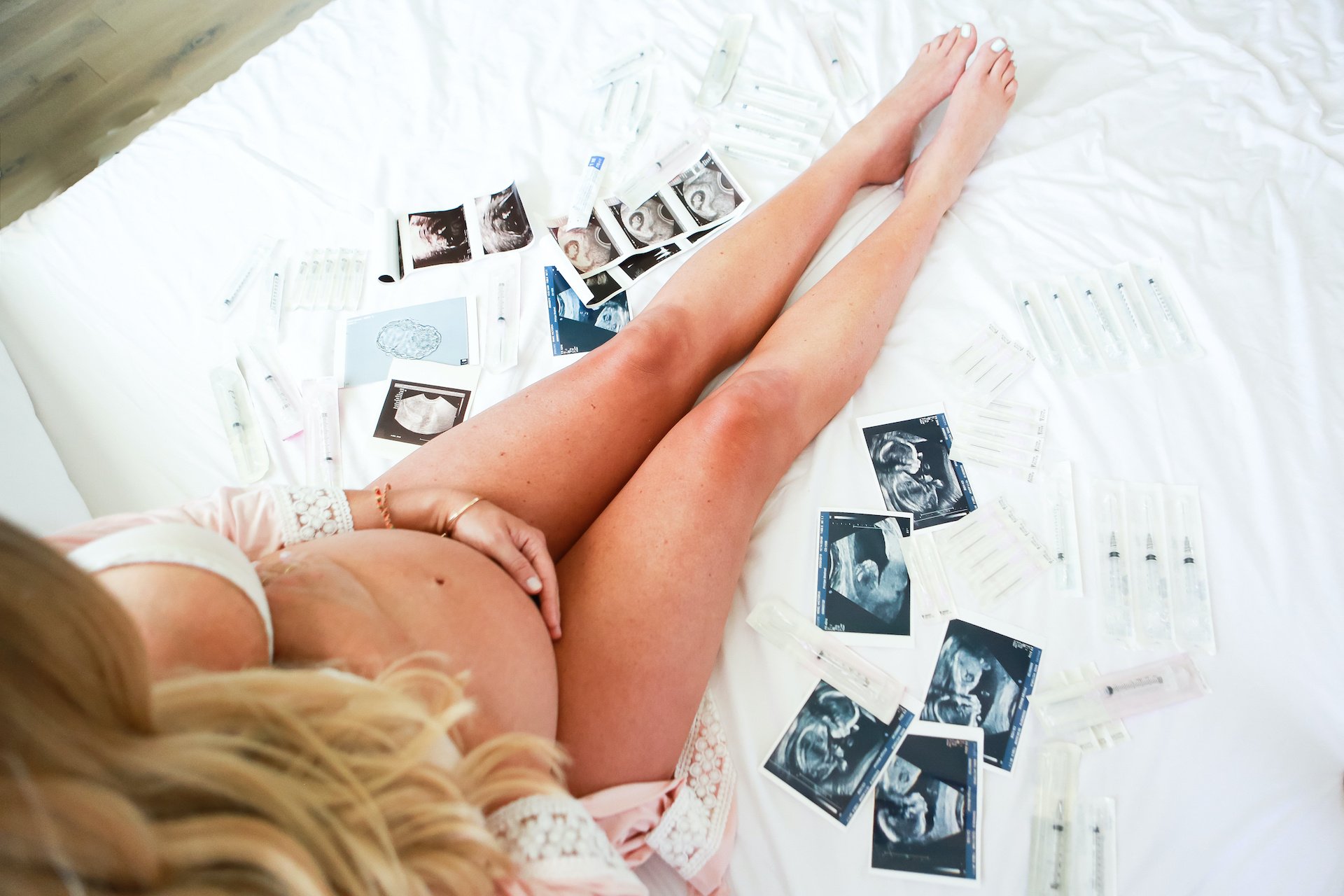
What Is a Donor Egg Pregnancy Really Like? One Mother's Story
A mother walks through her pregnancy, her birth and the questions she had along the way.

Meta Getman
Meta Getman is a donor conception coach who works with women and couples deciding whether to move forward with donor eggs, sperm, or embryos. She hosts the Infertility Crossroads podcast and co-founded a commun…

Ready for the next step?
If you are ready to get started or just need more info, contact us today.