

 Jazmine
September 29, 2026

Once an egg donor starts her injections, everyday habits like a morning run, a glass of wine or a weekend in a hot tub suddenly come with new rules. Those rules exist for a reason: fertility medications make the ovaries grow larger than usual for a couple of weeks, and that changes what is safe.
If you are about to start your medications, this guide gives you the do's and don'ts donors ask about most, why each one matters, and which symptoms mean you should call your clinic.
The short answer
While you are on IVF medication as an egg donor, avoid high-impact exercise, sex, alcohol, drugs, nicotine, saunas and hot tubs.
Do stay hydrated with electrolytes, eat balanced meals with plenty of fiber, rest when you need to, take every dose on time, and ask your clinic before taking any other medication or supplement.
What should you avoid while on IVF medication as an egg donor?
The short list is anything that jostles your ovaries, dehydrates you, or could lead to pregnancy. The medications you take for 10 to 12 days, usually a combination of hormone injections, encourage many follicles to grow at once, so your ovaries grow noticeably larger than usual before retrieval. Our guide to egg donation medications explains what each injection does.
| Activity | During stimulation | Why it matters |
|---|---|---|
| Walking, gentle stretching | Do, at an easy pace | Keeps you moving without jostling enlarged ovaries |
| Running, jumping, HIIT, heavy lifting | Don't | Raises the risk of ovarian torsion |
| Sex | Don't | High chance of pregnancy |
| Alcohol | Don't | Dehydrates you and can worsen bloating |
| Caffeine | Limit | Can dehydrate you, so ask your clinic what is allowed |
| Marijuana, nicotine, vaping, other drugs | Don't | Can affect your health and your cycle, and donors are tested |
| Saunas, hot tubs, long sunbathing | Don't | Overheating and dehydration |
| Water and electrolyte drinks | Do | Helps with bloating and fluid balance |
| High-fiber foods | Do | Helps with constipation from medications and inactivity |
| Over-the-counter medicines and supplements | Ask first | Some can interfere with your cycle |
Can you exercise while donating eggs?
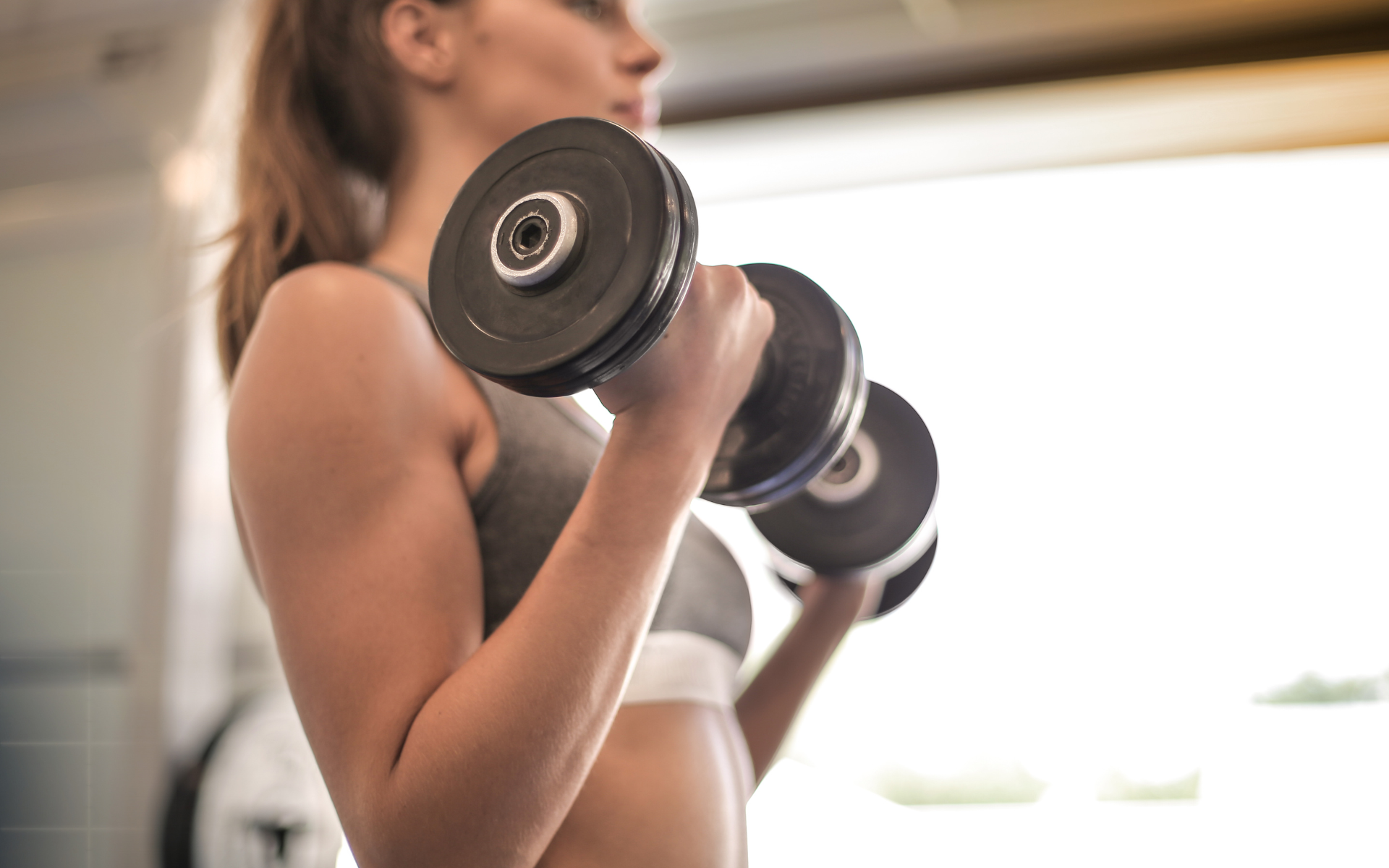
You can stay active with light movement, but high-impact exercise is off the table until your clinic clears you after retrieval. At Donor Nexus we call it the ponytail rule: if an activity makes your ponytail bounce, skip it. That rules out running, jumping, spin classes, heavy weights and contact sports.
The concern is ovarian torsion, when an ovary twists on itself and cuts off its own blood supply. A review in StatPearls notes that people undergoing fertility treatment are at high risk "due to enlarged follicles on the ovary," and calls torsion "a true surgical emergency."1 It is uncommon, but twisting and bouncing movements make it more likely.
Good swaps during stims include:
- Walks around your neighborhood
- Gentle stretching or restorative yoga without twists or inversions
- Light household activity, with help for lifting anything heavy
Can you have sex during an egg donation cycle?
No, you should avoid intercourse from the start of your injections until your clinic tells you it is safe after retrieval. The medications mature many eggs in the same cycle, and not every egg is always collected, so an unprotected encounter carries a much higher chance of pregnancy than usual, including multiples. New York State's guidelines for egg donation programs specifically say donors "should be counseled about the possibility of unintended pregnancy and offered options for prevention."2
Sex can also be uncomfortable or risky with enlarged ovaries, for the same reasons high-impact exercise is. If you have questions about when you can resume, your case manager and nurse will walk you through your clinic's timeline.
Can you drink alcohol or caffeine during stims?
Skip alcohol entirely while you are on medication, and keep caffeine low. Both can dehydrate you at a time when your body is holding extra fluid around the ovaries, which can make bloating worse.
Caffeine is a softer rule. The American Society for Reproductive Medicine (ASRM) notes that moderate caffeine, about 1 to 2 cups of coffee a day, "has no apparent adverse effects on fertility or pregnancy outcomes,"3 and many clinics allow a small morning cup. Ask your clinic what it prefers, and pair any coffee with extra water.
Marijuana, nicotine and vaping are off limits too. Under our egg donor requirements, Donor Nexus donors are non-smokers, and drug screening is part of the egg donation process, so plan to stay clear of these throughout your cycle.
What should you do to feel your best during stims?
The habits that help most are simple: drink plenty of fluids, eat balanced meals, move gently and rest. Here is what donors find most helpful:
- Hydrate with electrolytes. Sports drinks or electrolyte packets help your body manage fluid shifts, before and after retrieval.
- Eat protein and fiber. Balanced meals with protein, vegetables and whole grains help with energy, and fiber eases the constipation many donors notice. Our guide to caring for your body while donating has meal ideas.
- Go easy on salty, processed foods. Extra sodium can make bloating feel worse, so keep chips and takeout to a minimum until you feel like yourself again after retrieval.
- Take every dose on time. Set alarms, and call your nurse right away if you miss or mix up a dose.
- Check before taking anything new. That includes pain relievers, supplements and herbal teas.
- Rest. Sitting or lying down when your abdomen feels full is normal and helpful.
Monitoring appointments happen about every other day, usually in the morning, so plan travel around them. If your clinic is out of town, our story on traveling for a fresh egg donation cycle shows how donors manage it, and Donor Nexus covers travel and lodging separately from your compensation.

When should you call your clinic during stims?
Call your clinic right away if you have sudden or severe abdominal pain, trouble breathing, or signs that fluid is building up quickly. Mild bloating, breast tenderness and moodiness are common, but ovarian hyperstimulation syndrome (OHSS) needs prompt attention. OHSS is uncommon in egg donors: in a study of 4,052 egg donor cycles, moderate or severe OHSS occurred in 0.87% of cycles triggered with hCG and in none of the cycles triggered with a GnRH agonist such as Lupron, which many clinics now use for donors.
ASRM's patient fact sheet lists these warning signs:4
- Weight gain of more than 3 pounds in 2 days
- Difficulty breathing
- Continued vomiting or nausea
- Decreased urination
- Sudden abdominal pain or severe swelling
Pain that comes on suddenly with nausea can also be a sign of torsion, so do not wait it out.1 Most donors are back to work or school the day after retrieval, and our articles on bloating after egg retrieval and what to eat after egg retrieval cover the days that follow.
If you're thinking about donating and want the full picture, our become an egg donor page covers requirements, compensation and the process, and you can start your egg donor application online whenever you're ready.
Frequently asked questions
Can you work out while taking egg donation medications?
Gentle activity such as walking is usually fine, but skip running, jumping, heavy lifting and high-intensity classes. Your ovaries grow larger during stimulation, which raises the risk of ovarian torsion.
Can egg donors have sex during a donation cycle?
Donors are asked to avoid intercourse during stimulation and until their clinic says it is safe after retrieval. The medications mature many eggs at once, so an unplanned pregnancy, possibly with multiples, is more likely than usual.
Can you drink coffee while donating eggs?
Many clinics are fine with a small morning cup, but it is best to limit caffeine and keep up your water and electrolytes. Follow your own clinic's instructions.
Can you drink alcohol during egg donation?
No. Donor Nexus asks donors to avoid alcohol throughout the medication phase because it dehydrates you and can make bloating and discomfort worse.
What should I do if I feel very bloated during stims?
Some bloating is common. Call your clinic right away if you gain more than 3 pounds in 2 days, have trouble breathing, keep vomiting, urinate much less, or have sudden or severe abdominal pain.
Sources
- Baron SL, Mathai JK. Ovarian Torsion. StatPearls. National Library of Medicine, updated 2023. ncbi.nlm.nih.gov
- New York State Department of Health. Guidelines for Assisted Reproductive Technology (ART) Service Providers: Ova Donation. health.ny.gov
- Practice Committee of the American Society for Reproductive Medicine. Optimizing natural fertility: a committee opinion. Fertility and Sterility. 2022;117:53-63. asrm.org
- American Society for Reproductive Medicine. Ovarian hyperstimulation syndrome (OHSS). Patient fact sheet, revised 2023. reproductivefacts.org
Medical disclaimer
This article is general information for egg donors and is not medical advice. Always follow the instructions from your fertility clinic, and call your doctor about any symptoms that worry you.
California egg donor disclosure
Egg donation involves a screening process. Not all potential egg donors are selected. Not all selected egg donors receive the monetary amounts or compensation advertised. As with any medical procedure, there may be risks associated with human egg donation. Before an egg donor agrees to begin the egg donation process, and signs a legally binding contract, she is required to receive specific information on the known risks of egg donation. Consultation with your doctor prior to entering into a donor contract is advised.
Related reading


Jazmine
Jazmine is a Case Manager at Donor Nexus, where for the past three years she has coordinated cycles for both egg donors and intended parents. She knows this journey personally as well, having completed five egg…

Ready for the next step?
If you are ready to get started or just need more info, contact us today.